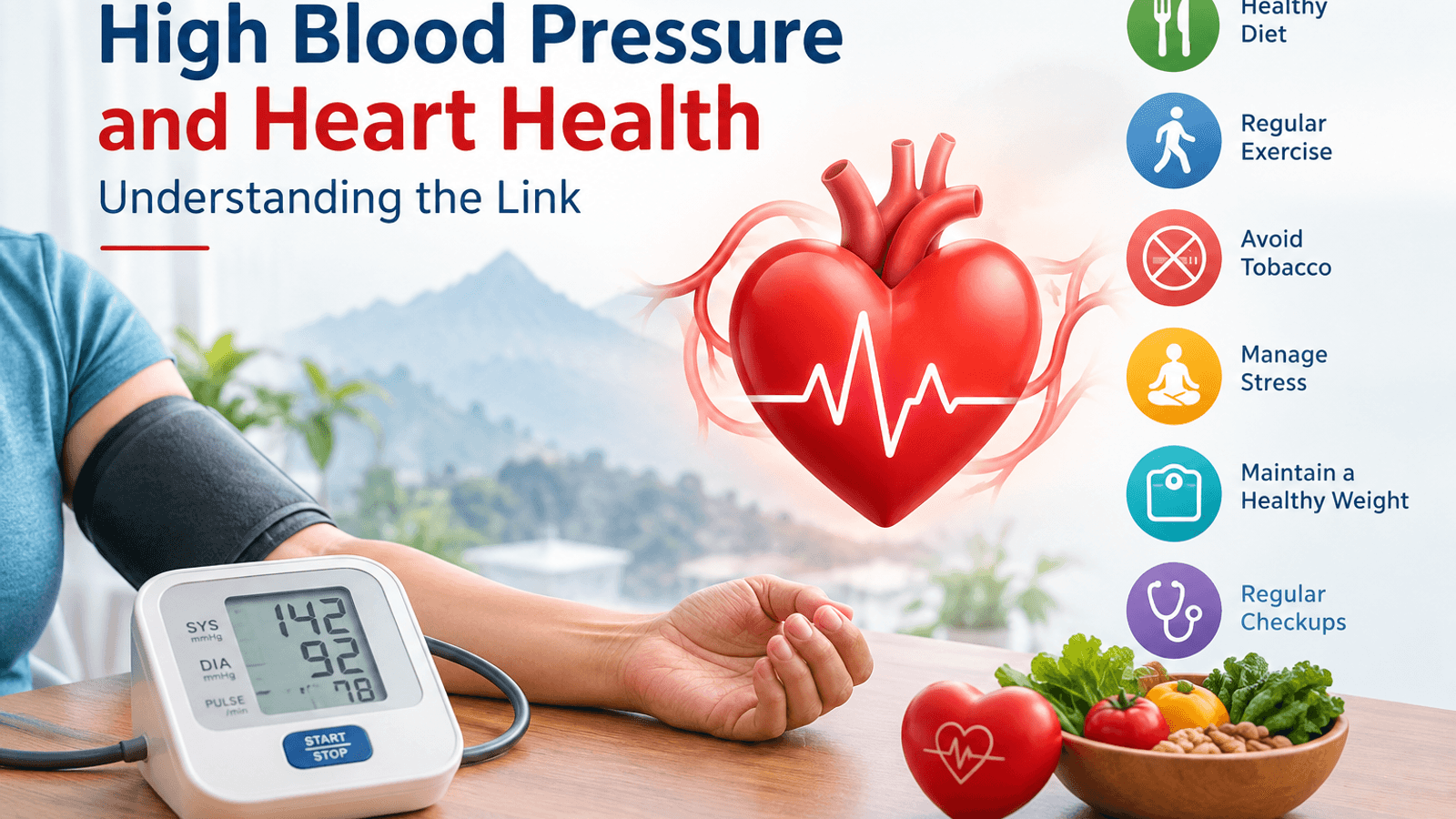
High blood pressure and heart health are two closely related concepts. A person whose blood pressure is high for an extended period of time may experience heart issues. Heart diseases such as heart attack, heart failure, arteriosclerosis, and numerous other problems may be precipitated by high blood pressure.
Hypertension is a prevalent condition that affects millions of individuals and is often fatal. The most difficult aspect of high blood pressure is that it frequently does not present any warning signs or symptoms. A person may have normal blood pressure one moment and excessively high the next. As a result, it’s critical to get your blood pressure tested regularly.
For the people of Nepal, the importance of the relationship between blood pressure and the heart is quite crucial. The likelihood that a person will develop serious cardiovascular diseases as a result of high blood pressure may be reduced by various measures. It includes a heart-healthy diet, regular physical activity, not smoking, stress management, and going to the hospital for treatment if necessary. Hypertension might be controlled and its consequences prevented with the correct medication.
Here we will discuss the effects of high blood pressure, covering the heart, the causes of this condition, as well as warning signs and methods for lowering it.
What Is High Blood Pressure?
Blood pressure is the force applied by the blood on the walls of the arteries as it flows through them while the heart beats and pumps it around the body.
There are two values that make up blood pressure readings: the first is the pressure found in the arteries while the heart beats (systolic), and the second is the one found while it relaxes between beats (diastolic).
For instance, if one’s blood pressure is 120/80 mmHg, it would mean that the systolic pressure is 120, while the diastolic pressure is 80.
A person’s blood pressure can fluctuate throughout the day, depending on the activity they are doing, how much they sleep, eat, and whether they experience stress or not.
As such, one random high-pressure reading does not necessarily mean that the person has hypertension. Instead, it would be better to consult a doctor and get multiple tests done to determine whether the person’s blood pressure readings are abnormal or not.
According to the World Health Organization, a person is considered to have hypertension when they have persistently high blood pressure (≥140/90 mmHg) when measured on different days.
Meanwhile, the American Heart Association provides a different criterion for determining hypertension, with a value of ≥130/80 mmHg. This implies that the two organizations differ slightly on what blood pressure readings are considered to be normal or high, which is why an individual should not attempt to determine their blood pressure status and instead consult a medical professional.
Why Is High Blood Pressure Important for Heart Health?
The heart has to beat constantly to distribute blood all over the body. As the tension in the blood vessels rises, the heart will have to work harder to pump the blood to the required places.
This will have negative effects on the heart muscle over time.
Hypertension can lead to atherosclerosis of the arteries, causing increased tension in the vascular system and reducing the blood flow to the organs.
It can be summarized as:
Hypertension → increased tension in the vascular system → increased work load on the heart → heart damages after some time → increased risk for cardiovascular diseases.
Therefore, blood pressure control is an important part in the prevention of cardiovascular diseases.
How High Blood Pressure Affects the Heart?
High blood pressure will cause the following effects to the heart. Most of them will happen gradually which makes the situation hard to notice.
1. It Makes the Heart Work Harder
When blood pressure is high, the heart will need to work harder.
Think about how hard it is to push water from a hose. The narrower the hose, the higher the pressure, and the more effort is needed to push the water through. The same thing can happen to the heart when the pressure in the arteries is high.
It will need to work harder and harder to be able to push the blood. This can affect it significantly over the years.
2. It can cause changes in the heart muscle
Long periods of high blood pressure can lead to thickening of the heart muscle. The thickened heart muscle may be less able to perform its function due to loss of elasticity.
This means that having high blood pressure is not necessarily a precursor to heart disease, but atherosclerosis risk is increased if blood pressure is poorly controlled over a prolonged period of time.
3. It can damage the blood vessels
Healthy arteries should be slightly elastic to allow for good blood circulation.
High blood pressure can cause damage to the vessel walls, which can lead to cardiovascular disease as well as impaired blood circulation.
Loss of normal blood circulation to the heart can lead to angina or myocardial infarction.
4. It may increase the risk of heart failure
Hearts that fail do not always stop working completely. They continue to pump blood but not enough to supply the body with oxygen.
Having high blood pressure for a long time can put extra strain on the heart and is also associated with heart failure.
Reducing blood pressure, therefore, plays a significant role in decreasing cardiovascular risk.
High Blood Pressure and Heart Disease
Heart disease is a collective term for a large number of operable diseases of the heart and blood vessels. High blood pressure can lead to heart disease as high pressure damages arteries and overloads the heart.
There are several cardiovascular diseases that may occur as a complication of hypertension, for example:
Coronary artery disease
The coronary arteries are responsible for carrying blood to the heart muscles. When these blood vessels narrow or block, the supply of oxygen-rich blood to the heart is interrupted. As a result, there may be pain in the chest area and, in the case of a complete blockage of blood flow, a heart attack may develop.
Heart attack
Occurs when blood flow to part of the heart muscle is interrupted. High blood pressure is one of the significant risk factors for cardiovascular disease and heart attacks.
Heart failure
Heart failure develops as a result of long-term overload of the heart. One of the causes of overload is high blood pressure.
Abnormal heart rhythm
High blood pressure can also be caused by changes in the heart and blood vessels that lead to irregular heartbeats. All these complications are significant but, with proper treatment and control of blood pressure, they can be combated.
What Causes High Blood Pressure?
In many adults, the etiology of high blood pressure cannot be linked to only one reason. Instead, several factors are likely to contribute to the development of the disease.
The most common contributors to the development of hypertension include:
- getting older
- family history of hypertension
- high-salt dietary patterns
- physical inactivity
- being overweight or obese
- tobacco use
- heavy alcohol use
- unhealthy dietary patterns
- diabetes
- kidney disease
- chronic stress
- the use of specific drugs or medical conditions.
According to the World Health Organization, high salt intake, physical inactivity, tobacco, unhealthy diets, heavy alcohol use, and being overweight or obese are significant modifiable risk factors for developing hypertension.
Not everyone who has the described risk factors will develop the disease, and several cases of essential hypertension can occur without recognized risk factors.
Why High Blood Pressure Can Be Difficult to Notice?
One of the most common problems with hypertension is that it rarely has symptoms.
This means that a person can have high blood pressure and not know about it. In addition, one cannot rely on subjective sensations to determine whether one has hypertension or not.
According to the World Health Organization, the only way to know for sure whether a person has hypertension or not is to measure the blood pressure.
In cases of very high blood pressure, the person may experience such uncomfortable symptoms as severe headache, chest pain, shortness of breath, blurred vision, dizziness, and confusion. In this case, blood pressure requires emergency care.
How Can High Blood Pressure Be Detected?
Blood pressure can be measured at a clinic, healthcare facility, pharmacy, or with a home blood pressure monitor.
A healthcare professional may suggest taking the measurement more than once because blood pressure can fluctuate.
When measuring blood pressure at home, the person should be seated, not be moving, have their arm supported, keep their feet flat on the floor, and refrain from talking so that they get an accurate reading.
Having the readings documented can allow a healthcare professional to identify patterns and determine if a person’s blood pressure is responding to treatment.
Understanding Your Blood Pressure Numbers
The numbers should be interpreted according to the guideline and clinical situation being used . Different guidelines use slightly different thresholds .
The American Heart Association defines blood pressure in adults as:
- Normal: Less than 120 mm Hg systolic and less than 80 mm Hg diastolic.
- Elevated: 120–129 mm Hg systolic and less than 80 mm Hg diastolic.
- Stage 1 Hypertension: 130–139 mm Hg systolic or 80–89 mm Hg diastolic.
- Stage 2 Hypertension: 140 mm Hg or higher systolic or 90 mm Hg or higher diastolic.
- Hypertensive Crisis: Higher than 180 mm Hg systolic or higher than 120 mm Hg diastolic
Lifestyle Habits That Support Heart Health
Healthy daily habits help reduce blood pressure and maintain heart health.
Lifestyle modifications cannot replace the required drug therapy but are an essential part of the management plan for people with cardiovascular disease.
1. Limit Additional Salt
A diet that is high in sodium can lead to increased blood pressure in many people.
Processed foods, salty snacks, pickles, instant meals, and dishes seasoned with a lot of salt are some of the salty foods that should be consumed in smaller amounts.
To reduce the amount of sodium in the diet, one can season dishes with various herbs and spices instead of using salt. Garlic, ginger, lemon, and other products are a fantastic alternative to salt in some recipes.
The World Health Organization recommends reducing salt consumption as a way of lowering blood pressure and preventing hypertension.
2. Eat More Heart-Healthy Foods
A balanced diet tends to benefit the body. It may help control blood pressure and prevent cardiovascular disease. The person should add more of the following:
- Vegetables
- Fruits
- Whole grains
- Beans and lentils
- Nuts and seeds
- Fish, or other nutritious proteins
- Low-fat dairy foods
In addition, it is important to reduce the amount of sodium, unhealthy fats, and refined carbohydrates in the diet. One should note that a healthy diet does not necessarily have to be expensive. One can prepare most traditional foods with the needed amount of salt, oil, and other ingredients. As a result, they will remain healthy and beneficial for the body.
3. Stay Physically Active
Exercise is essential for cardiovascular health. Any form of moderate-intensity physical activity is appropriate. The person can engage in a walking or cycling program, take up swimming or dancing, or any other physical activities. The amount of exercise depends on the individual’s current level of health and the doctor’s advice. Most people should discuss any physical activity with their doctor.
4. Maintaining a Healthy Weight
Being overweight increases the risks of developing high blood pressure and cardiovascular disease.
It is essential to maintain a healthy weight through proper diet and exercise, which in turn can reduce blood pressure.
The issue of weight should be regarded as a matter of health and not vanity.
5. Avoid Tobacco
Tobacco use damages the vascular system and increases the risks of cardiovascular disease.
Avoiding tobacco is vital in the maintenance of good heart health.
Those who are engaged in tobacco use and wish to quit should consult their medical advisor for the best method of cessation.
6. Manage Stress
Stress is an inevitable part of life. However, if stress becomes unmanageable it negatively impacts a person’s ability to cope with other problems and increases the risks factors of cardiovascular disease.
Methods of stress reduction could include exercising, getting enough sleep, relaxation techniques, eating wholesome foods, maintaining healthy relationships and a good work balance.
If a person feels that he/she has uncontrollable stress, seeking professional help from a medical advisor is the best solution.
Can High Blood Pressure Be Treated?
Yes. High blood pressure can often be controlled through lifestyle and medication, or a combination of both.
The type of treatment will vary depending on your blood pressure reading, as well as your age, other health conditions, cardiovascular risk and other factors.
You may be prescribed one or more blood-pressure lowering medications, depending on your individual condition. Medication should be taken as directed.
Do not stop taking blood pressure medication just because you are feeling better.
The WHO recommends adopting healthier lifestyles, as well as, when necessary, blood pressure lowering drugs prescribed by a healthcare professional.
Why Regular Health Checkups Matter?
Routine health checkups are essential in detecting high blood pressure at an early stage before it produces any significant health complications.
A blood pressure test is a simple and quick procedure. If a high blood pressure is detected, a healthcare provider may decide to take further steps and do additional tests.
Having regular checkups is crucial for people who have a higher risk of developing high blood pressure, such as:
- Having a family history of hypertension
- Having diabetes
- Having kidney problems
- Having heart issues
- Being overweight
- Having a sedentary lifestyle
- Being a tobacco user
- Having a high-salt diet
- Testing blood pressure is not a sure way to know if a person will develop cardiovascular, but it is a vital step in figuring out a person’s risk factor for heart diseases.
When Should You See a Doctor?
A medical worker should be called when a person’s blood pressure is consistently high.
It is needed to consult a healthcare provider if someone has high blood pressure with diabetes, kidney disease, or a history of heart problems.
If a person’s blood pressure is very high (more than 180/120 mm Hg) and he or she has chest pain, difficulty breathing, weakness, numbness, vision changes, or trouble speaking, then emergency services need to be called.
Home remedies are not indicated in the case of high blood pressure if the person has severe symptoms.
High Blood Pressure and Heart Health in Everyday Life
Maintaining the health of the heart does not start with making a list of all changes to make in one's lifestyle.
For many, taking it slow and making small adjustments is a better way to achieve lasting results. A person can start by monitoring blood pressure, cutting down on salt, getting enough exercise, eating more vegetables, getting enough sleep, and taking medication as directed.
Families can also play a part in helping a member with hypertension stay healthy. They can make changes such as preparing meals that are low in salt, eating healthier foods, getting more exercise, and making sure they are getting regular health screenings.
Living in Nepal may mean that access to health services is difficult, especially for those living in rural areas. Having an online health resource can be beneficial to those who need reliable medical advice and services nearby. However, an online service should not be used as a replacement for emergency medical services in critical situations.
Conclusion
High blood pressure and heart health are closely related. A long-term increase in blood pressure can have adverse effects on the heart and blood vessels and lead to cardiovascular diseases. Hypertension often does not show any symptoms. Therefore, it is important to keep track of blood pressure levels during health check-ups.
High blood pressure can often be reduced to normal levels with proper measures. A heart-healthy diet, reduction of salt intake, regular physical activity, maintaining a healthy weight, avoiding tobacco, reducing stress, and periodic health check-ups, and regular use of anti-hypertensive drugs can reduce the risks.
Interpretation of blood pressure readings is usually not difficult. However, it is important to contact a healthcare professional if blood pressure is found to be consistently high.
Thus, for the population of Nepal, heart health is paramount, and hypertension monitoring is an important step towards cardiovascular disease prevention.
This article is for informational purposes only and does not constitute medical advice or a substitute for the opinion of a qualified healthcare professional. Those who suspect that they may have high blood pressure, or any other condition, should consult a physician or other healthcare professional for an accurate diagnosis and treatment plan.
Frequently Asked Questions
Is high blood pressure bad for the heart?
Hypertension can raise the strain on your heart and harm blood vessels. Left uncontrolled, it may lead to cardiovascular problems like coronary artery disease, heart attack, and heart failure.
Can you have high blood pressure and not know it?
Yes, many individuals with hypertension have no symptoms. Therefore, the only method to identify high blood pressure is to measure it.
Can you lower high blood pressure on your own?
A heart healthy diet, low in salt, regular physical activity, maintaining a healthy weight, avoiding cigarettes, and practicing stress reduction techniques are all lifestyle adjustments that may assist in reducing or eliminating high blood pressure. In addition, cutting alcohol consumption might aid in lowering high blood pressure. If lifestyle modifications prove to be inadequate, doctors may prescribe drugs to lower blood pressure.
Can high blood pressure lead to a heart attack?
Hypertension is a significant risk factor for cardiovascular disease and can lead to several illnesses that may raise the likelihood of a heart attack.
When someone has high blood pressure, can they stop taking their medication?
No, patients should never alter their dose or discontinue a drug due to unwellness because their physician or other authorized medical expert advised them to take it. Patients must seek advice from their physician or other authorized medical expert if they want to change their therapy.
How often should a person get their blood pressure checked?
It depends on the person’s age, overall health, previous blood pressure measurements, and other variables. Individuals with high blood pressure may need to monitor their blood pressure more regularly than those with normal blood pressure. Individuals with normal blood pressure should consult their physician regarding how frequently they should have their blood pressure measured.