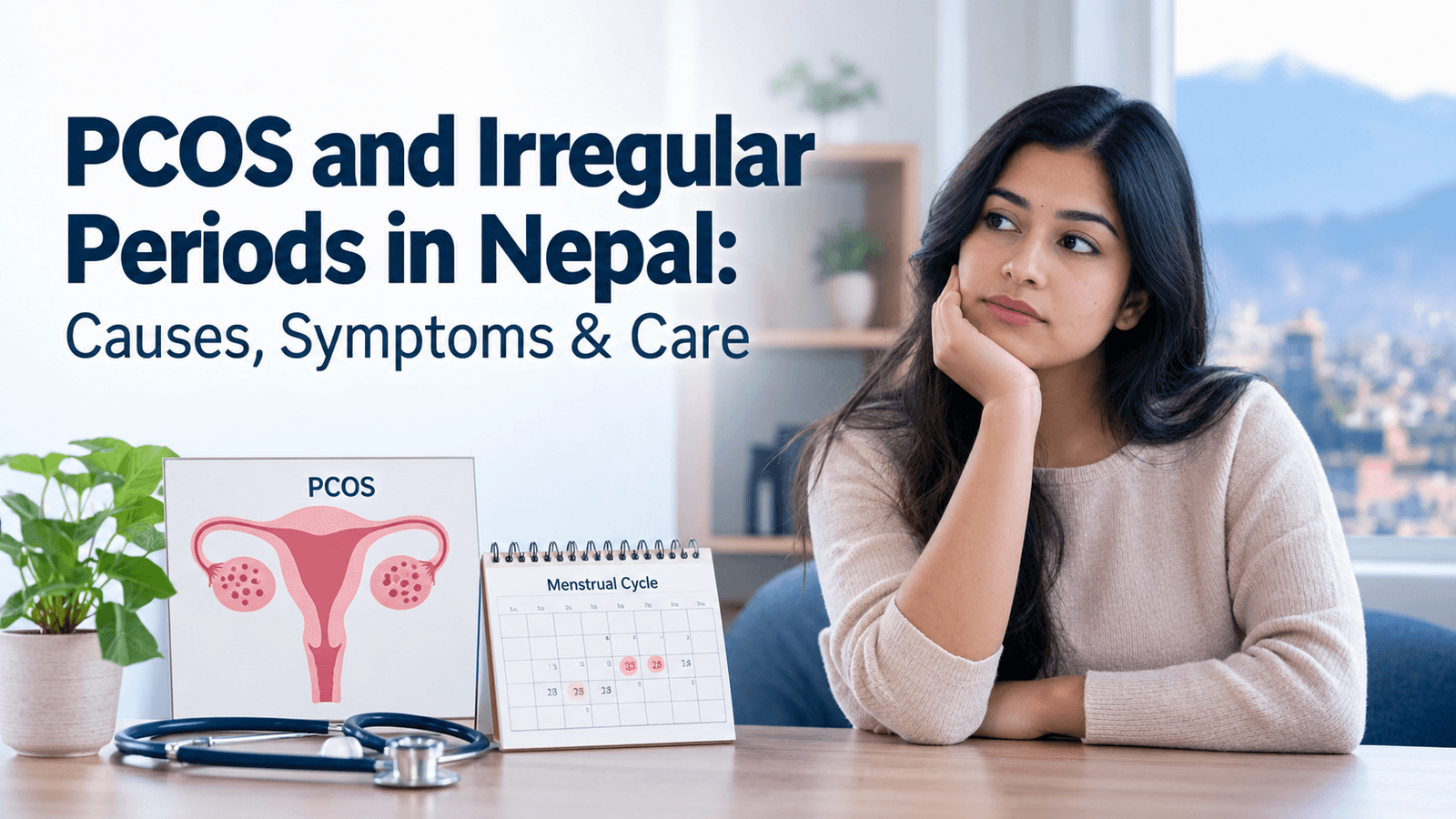
Many young women in Nepal suffer from irregular periods, acne, unwanted facial hair, weight fluctuations, or difficulty conceiving, which may be indicative of polycystic ovary syndrome (PCOS), a common hormone/metabolism associated disorder. PCOS affects women's fertility, periods, skin, hair, and overall wellbeing. It is a treatable and manageable condition with proper medical care, lifestyle and diet, and the right support.
The first step to managing PCOS is to educate yourself on what it is and when to consult a trusted healthcare professional. This blog provides a brief overview of the disease, lifestyle and diet, diagnosis, and treatment. It also explores ways online healthcare services such as Upachar Sewa can support women in Nepal.
Medical disclaimer: This blog is purely informative. It is not intended to diagnose or prescribe any medication. Do not make any decisions about hormonal medications, metformin, supplements, or fertility drugs based on this information. Consult a qualified doctor and/or pharmacist.
What is PCOS?
PCOS is a hormone/metabolism associated disorder in which the body's endocrine system does not function properly.
Hormones are responsible for regulating our menstrual cycle, ovulation, growth, metabolism, mood, appetite, and much more.
Women with PCOS may experience higher levels of androgens (male sex hormones), which can cause increased hair growth, acne, and male pattern baldness.
Women with PCOS may also experience difficulties related to ovulation which may impact their fertility. They may have irregular, late, or absent periods.
PCOS is also known as polycystic ovary syndrome. This name, however, can be quite misleading as not all women with PCOS actually have cysts on their ovaries. Seeing multiple follicles during an ultrasound does not necessarily indicate PCOS.
A diagnosis of PCOS is not made on a single ultrasound. Women with PCOS can present with a combination of symptoms, and the hormone/metabolism abnormality is diagnosed by a team of doctors considering a woman's PCOS symptoms, gynecological exam, ultrasound, and blood tests.
According to the World Health Organization, PCOS may present with irregular or absent periods, infertility, hirsutism (increased hair growth), acne, and male pattern baldness.
PCOS and Menstrual Cycle Irregularity
PCOS and lifestyle disorders can impact the regularity of your menstrual cycle. Note that each person's menstrual cycle is unique. Some women have short cycles while others have long cycles. Your cycle may also be impacted by stress, illness, travel, hormonal contraception, drastic changes in weight, and other factors.
PCOS can cause ovulation problems which can cause irregularity in menstrual cycles. You may find that your period comes at unexpected times, or that you have long (more than 3 months) breaks between periods.
Irregular periods may present in the following ways:
- Periods that come late
- Periods that stop for several months
- Fewer than 8 periods a year
- Frequent periods
- Heavy periods
- Periods that last for many days
- Irregular spotting between periods
- Irregular periods that follow regular ones
Irregular periods can also be a sign of things like pregnancy, thyroid dysfunction, eating disorders, and hormone imbalances. A long break between periods should also be evaluated by a doctor as the uterine lining can get too thick if periods stop for long. The thickened lining can lead to abnormal uterine bleeding and require medical intervention.
PCOS in The Modern Nepali Lifestyle
Lifestyle disorders do not directly cause PCOS. The condition is genetic and can affect women, regardless of their weight. With that being said, a sedentary lifestyle can aggravate PCOS symptoms. It is not helpful to blame women for having PCOS or being overweight.
PCOS is often worsened by:
- Being physically inactive
- Having a diet high in processed foods
- Having a diet high in sugar
- Having a diet high in salt
- Having a diet high in refined grains
- Consuming unhealthy foods such as fried foods, bakery products, and instant noodles
- Having a diet low in fresh fruits and vegetables
- Having irregular eating patterns and skipping meals
- Having a disrupted sleep schedule
- Being under constant stress
PCOS is a spectrum, and a person's PCOS may be worse due to a combination of some of the factors above.
Modern day stress and a busy lifestyle where many people do not have time to cook or eat healthy can definitely aggravate PCOS symptoms. Sedentary lifestyles due to sitting for prolonged hours at school, work, or while traveling can also do so. There may also be less opportunity for exercise for women who have to travel to work every day, or are engaged in domestic duties.
PCOS Symptoms
PCOS can present with a variety of symptoms. Not all people with PCOS will have the same symptoms. You may also experience some of the symptoms listed below, and not others. Some people may experience a combination of symptoms, and others may experience just a few.
Common symptoms of PCOS include:
- Irregular periods
- Heavy or prolonged periods
- Persistent acne
- Hirsutism (increased hair growth)
- Male pattern baldness (hair thinning at the front or top of the head)
- Hyperpigmentation (dark patches of skin on the neck, armpits, or groin)
- Weight gain or difficulty losing weight
- Infertility or difficulty getting pregnant
- Mood changes or depression
- Fatigue or tiredness
- Sleep irregularities or insomnia
- Increased appetite or cravings for sugary foods
The symptoms listed above can overlap with other conditions so it is important to consult a trusted healthcare professional to get an accurate diagnosis and PCOS treatment. For example, acne may be caused by your skin type, medication, or stress. Hair loss can also be caused by other hormonal irregularities and medical conditions.
Why Blood Sugar Levels Matter in PCOS
You might have heard PCOS called a diabetes of the ovaries. While PCOS and diabetes are two separate conditions, there is a strong link between PCOS, insulin resistance, and metabolic syndrome. Insulin is a hormone that allows your cells to absorb blood sugar and utilize it for energy.
Insulin resistance means that your cells are not able to respond appropriately to insulin, and your body may need to produce more insulin to maintain normal blood sugar levels.
High insulin levels can interfere with your ovarian function, cause irregular ovulation, and increase androgen production (causing symptoms like acne and unwanted hair growth).
Insulin resistance can be a part of PCOS or a coexisting condition. Your doctor may request blood sugar and related tests to evaluate if you have PCOS-related insulin resistance, diabetes, or prediabetes. If you are at risk of developing diabetes, your doctor may recommend blood tests and counseling to minimize your risk.
Some tests related to PCOS and blood sugar include:
- Fasting blood glucose
- HbA1c test (estimates average blood sugar)
- Oral glucose tolerance test
- Cholesterol and triglyceride tests
- Estimation of blood pressure
- Measurement of waist circumference and weight
The 2023 international PCOS guideline recommends healthy lifestyle changes to everyone with PCOS to reduce cardiometabolic risk and improve quality of life. It highlights the importance of healthy eating and physical activity for everyone with PCOS. It also states that positive changes can occur irrespective of weight loss.
PCOS Diagnosis
There is no single test for diagnosing PCOS. A gynaecologist or hormone specialist typically evaluates symptoms and conducts a physical examination and additional tests to rule out other conditions before making a diagnosis.
Adults with PCOS often present with the following three symptoms:
- Irregular ovulation or absence of ovulation (often indicated by irregular periods)
- Higher levels of androgens (often indicated by symptoms such as hirsutism, acne, and male pattern baldness)
- Polycystic appearing ovaries on ultrasound
- A PCOS diagnosis is made if a person presents with at least two of the above symptoms, after ruling out other potential causes.
The approach to diagnosing PCOS in teens can be slightly different, as teens and young women often present with irregular periods in the first few years after getting their periods. A doctor will consider a teen's PCOS symptoms, gynaecological exam, ultrasound, and blood tests before making a diagnosis.
When consulting a healthcare professional for PCOS, you may be asked the following questions:
- When did you get your first period?
- How often are your periods?
- How long are your periods?
- How heavy are your periods?
- Do you have any unwanted hair growth?
- Do you have acne?
- Have you been gaining weight or changed your diet?
- Are you trying to get pregnant?
- Are you on any form of medication, birth control, or supplements?
- Does PCOS, diabetes, or infertility run in your family?
The doctor may order additional tests or an ultrasound. An ultrasound alone is not enough to diagnose PCOS, but it can help rule out other causes such as pregnancy or other hormone abnormalities.
PCOS and Weight
PCOS and your weight are closely linked. You may find that you gain weight easier or find it challenging to lose weight. It is important not to blame yourself for having PCOS or being overweight. Not all people with PCOS are overweight, and PCOS is not a diet or weight loss issue.
Losing excess weight (if applicable) can help regulate your menstrual cycle, ovulation, and insulin sensitivity. However, extreme diets or skipping meals to lose weight should be avoided.
If you have PCOS, the following lifestyle changes can help you manage your weight:
- Having regular meals
- Eating more vegetables and fibre-rich foods
- Having adequate protein in your diet
- Limiting sugar and eating more whole grains
- Having healthy snacks rather than frequent meals
- Getting regular exercise
- Having good sleep hygiene and reducing stress
- Following a long-term healthy lifestyle rather than quick extreme diets
Maintaining a healthy weight and avoiding further weight gain is equally important for PCOS management. The 2023 evidence-based nutrition guideline for PCOS recommends that eating well and being physically active are beneficial to everyone with PCOS, irrespective of their weight.
Healthy Eating if You Have PCOS
There is no one-size-fits-all PCOS diet. A healthy PCOS-friendly diet usually involves eating nutritious whole foods and reducing ultra-processed foods.
A traditional Nepali diet that is largely plant-based, high in fiber, and includes healthy fats can support PCOS management. Wherever possible, limit processed foods, sugary drinks, and frequent snacking.
Healthy eating tips for PCOS management:
- Eat seasonal vegetables with every meal
- Choose dal, beans, eggs, curd, or lean protein with your meals
- Replace sugary drinks with water
- Limit packed and fried foods and eat more home-cooked meals
- Avoid eating too much or too little
- Eat slower and stop when you feel full
- Include fruits, nuts, and seeds in your daily diet
- Aim for healthy balanced meals
The ideal PCOS diet will be different for each person based on their medical history, PCOS symptoms, financial status, food preferences, and so on. It is also important not to deprive yourself of foods you enjoy as deprivation can lead to unhealthy binging.
Someone who has diabetes or kidney disease may need to take a different approach to dieting. Someone who has an eating disorder may need to work with a dietician or other medical professional to develop a healthy eating plan.
Exercise and Physical Activity
Exercise can help lower insulin resistance, improve PCOS symptoms, regulate menstrual cycles, improve ovulation, support heart health, and improve mood. You do not need to work out at the gym to benefit from exercise.
Brisk walking, dancing, cycling, hiking, stretching, and other forms of physical activity can help you stay fit and improve your health. Staying physically and mentally active can help you manage PCOS and its impact on your fertility and lifestyle.
A good place to start is with 20 - 30 minutes of walking, 3 - 4x per week. If you are very physically inactive, start slow and work your way up to this goal. Exercise should not be overdone, especially if you have other medical conditions.
The 2023 international PCOS guideline recommends exercise and physical activity as an important lifestyle strategy to reduce cardiometabolic risk in people with PCOS. The recommendation is for 150 - 300 minutes of moderate-intensity physical activity per week in addition to two muscle-strengthening sessions per week, if medically appropriate.
PCOS management for individuals who are physically inactive can start with a basic step count goal (e.g., 8000 steps per day). Ask your doctor before starting a new exercise program, especially if you have dizziness, heart problems, pregnancy, or other conditions.
Sleep, Stress, and Mental Health
Lack of sleep, stress, and poor routines can increase cortisol (a stress hormone) and disrupt your menstrual cycle and fertility. Many students, working women, and healthcare workers find it difficult to get enough sleep due to late-night studying, a busy job, or health conditions. Poor sleep can also be a result of spending too much time on your phone or other screens before bed.
To maintain good sleep hygiene, consider the following:
- Going to sleep and waking up at the same time every day
- Limiting phone and screen time before bed
- Having less caffeine in the evenings
- Getting light exposure during the day and limiting it at night
- Taking regular breaks during work or study
- Practicing slow breathing, relaxation techniques or meditation
- Talking to a trusted person about your concerns
Having poor mental health can impact your PCOS and PCOS management. Depression, anxiety, and poor body image are common in people with PCOS, due to irregular periods, weight gain, infertility worries, and appearance-related symptoms like acne, unwanted hair, and male pattern baldness. If you are dealing with any of the following, speak to a counselor or trusted person about your concerns:
- Having persistent sadness and low mood
- Having extreme anxiety and uncontrollable worry
- Feeling hopeless about life or PCOS
- Having suicidal thoughts
- PCOS Management and Treatment
PCOS management depends on your specific PCOS symptoms and concerns. The following approaches may be recommended, based on your individual PCOS symptoms:
- Lifestyle and diet plan
- Medications to induce periods or menstrual cycle regulation
- Combined oral contraceptive pills for suitable candidates
- Medicines to treat unwanted hair growth, acne, or oily skin
- Metformin for people with PCOS and insulin resistance
- Fertility medications to induce ovulation (if you are trying to get pregnant)
- Diet counseling, psychological counseling, or fertility support to address PCOS concerns
For many women with PCOS, combined oral contraceptive pills can be used to regulate menstrual cycle, reduce acne, and unwanted hair growth.
Contraceptive pills are not suitable for everyone, and you may need to work with your doctor to decide what PCOS treatment is most appropriate for you.
The following medications may also be recommended, based on your PCOS and PCOS concerns:
- Spironolactone or Finasteride to reduce unwanted hair growth.
- Metformin to improve insulin sensitivity, particularly in people with PCOS and prediabetes or diabetes.
- Combined oral contraceptive pills to regulate menstrual cycle, reduce acne and unwanted facial and body hair.
- Topical treatments and acne surgery (for persistent acne).
- Fertility drugs to induce ovulation for people who are trying to get pregnant.
- A psychologist or counselor can help you deal with the emotional and mental health impact of PCOS.
- Speak to your doctor about suitable PCOS treatment options.
When to See a Doctor for PCOS
Consult a doctor if you have any of the following PCOS-related concerns:
- Irregular periods (long or inconsistent cycles)
- Infrequent or absent periods
- Heavy or prolonged periods
- Unwanted hair growth
- Severe or persistent acne
- Hair loss
- High blood sugar symptoms (increased thirst, frequent urination)
- Infertility concerns or difficulty getting pregnant
- Depression or extreme anxiety
- Any concerns about your menstrual cycle
Seek urgent medical attention if you have any of the following PCOS-related concerns:
- Heavy abnormal uterine bleeding (with extreme tiredness or dizziness)
- Severe lower abdominal pain (possible ectopic pregnancy)
- Pregnancy symptoms (missed period) with severe pain or bleeding
- Thoughts of self harm or suicide
How can Upachar Sewa Help?
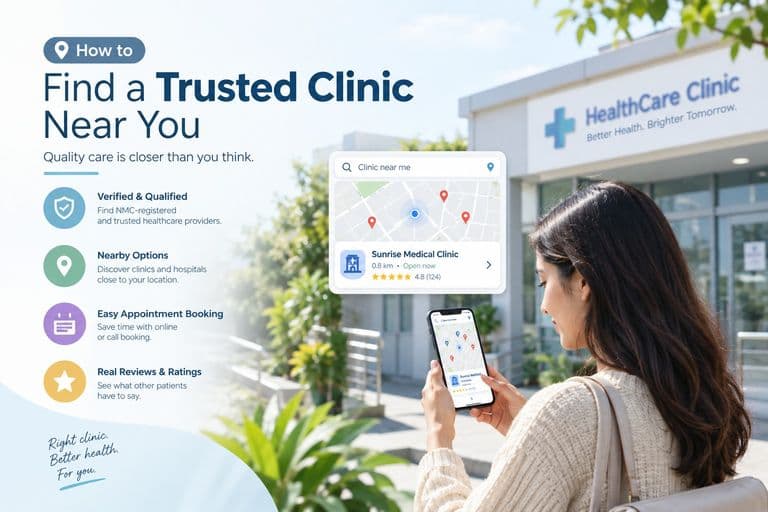
Many people feel embarrassed or ashamed to discuss their PCOS, periods, fertility, or appearance concerns with a doctor. Online healthcare services offer a confidential and convenient first point of contact. With Upachar Sewa, you can speak to qualified doctors and receive treatment and personal health advice.
Online PCOS support through Upachar Sewa may be helpful for the following:
- Discussing irregular periods
- Reviewing PCOS test reports
- Seeking guidance on PCOS treatment
- Following up on a recent PCOS consultation
- Reviewing and managing PCOS medications
- Planning fertility treatment for PCOS
- PCOS lifestyle and diet recommendations
Getting a recommendation for a suitable PCOS expert (gynaecologist, endocrinologist, dietician, or counselor)
PCOS and periods consultation without having to visit a hospital.
Online consultation services cannot replace physical examination, emergency services, laboratory tests, or ultrasound. Make sure you work with a trusted online consultation service and a qualified PCOS specialist.
Final Thought
PCOS is a common, treatable, and manageable condition that can impact women of all sizes and backgrounds. PCOS can affect periods, fertility, skin, hair, and hormone levels, but it should not define your life or self-worth. PCOS management is largely focused on adopting a healthy lifestyle, getting enough sleep, exercising regularly, and working with a doctor to find the most effective PCOS treatment.
If you are struggling with PCOS symptoms or irregular periods, Upachar Sewa can help you take the first step towards PCOS treatment and PCOS management.
The earlier you understand your PCOS and menstrual health concerns, the easier it will be to manage your PCOS and PCOS-related symptoms. Consult a doctor if you have any of the following PCOS-related concerns:
- Irregular periods (long or inconsistent cycles)
- Infrequent or absent periods
- Heavy or prolonged periods
- Unwanted hair growth
- Severe or persistent acne
- Hair loss
- High blood sugar symptoms (increased thirst, frequent urination)
- Infertility concerns or difficulty getting pregnant
- Depression or extreme anxiety
Any concerns about your menstrual cycle