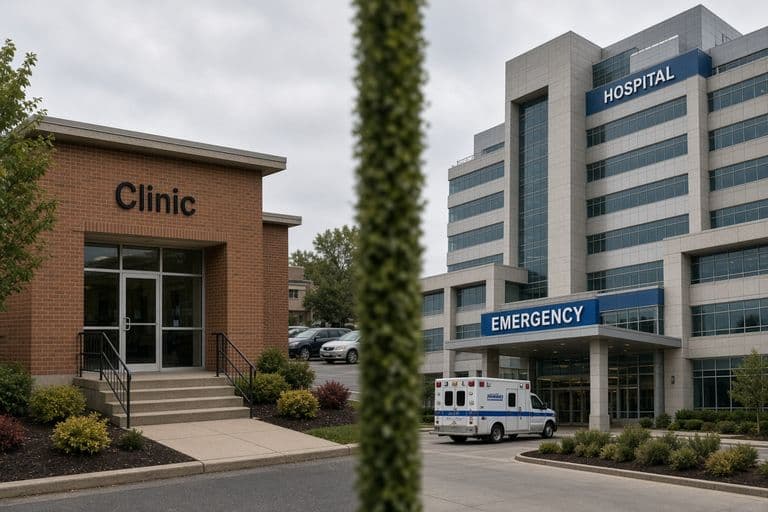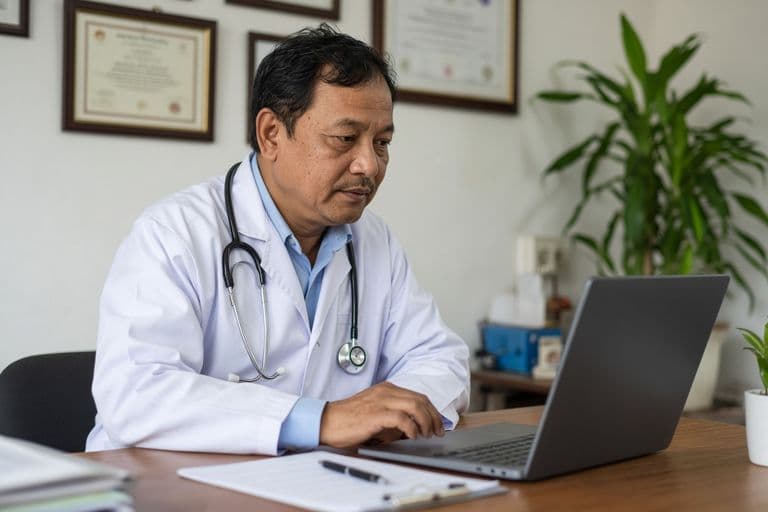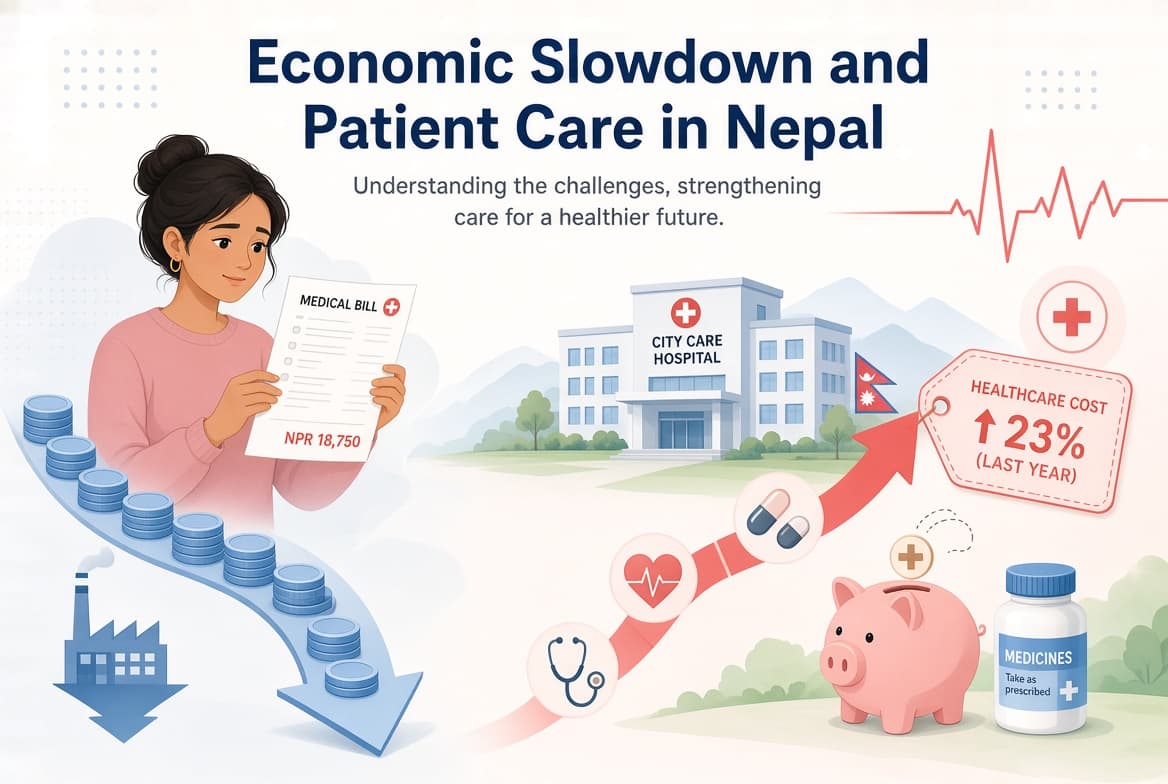
Economic slowdown and Patient Care in Nepal are impacting patient care. Families, hospitals, and healthcare professionals must balance rising costs with limited resources. As the economy worsens, individuals may find it harder to access transportation, doctors, medications, tests, and hospital services. Meanwhile, hospitals need to maintain quality care despite these constraints. Online consultations may become a cheaper alternative to frequent hospital visits.
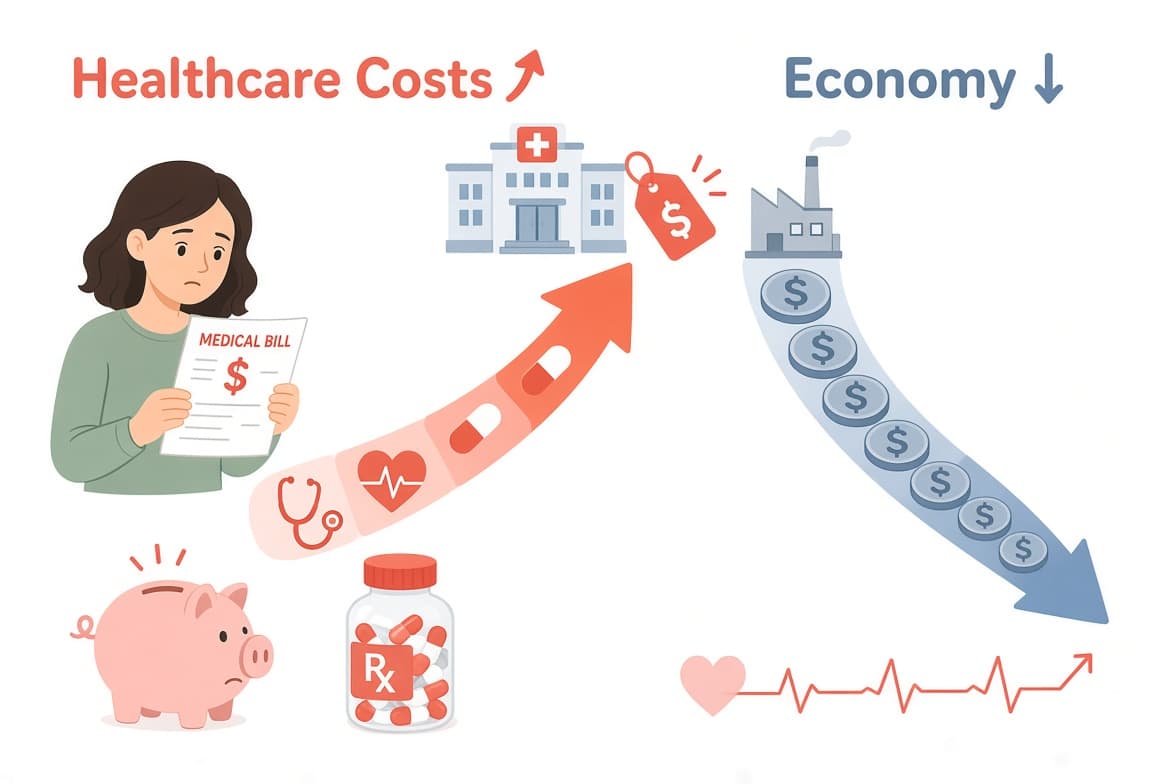
Healthcare is vital, even during tough times. Those with diabetes, hypertension, asthma, or other conditions require regular check-ups and medications. Children need healthcare when they fall ill, and the elderly require consistent monitoring. Therefore, access to healthcare services must not suffer. People should look for affordable options to ensure they get quality care.
Impact of Economic Slowdown on Healthcare
An economic slowdown occurs when the business cycle reaches its lowest level. During this period, job opportunities become scarce, and businesses generate lesser profits, and individuals and families become more conservative with their spending.
Healthcare may be one of the areas where people decide to reduce spending due to its high cost. There are several reasons why an economic slowdown may affect healthcare services:
1. Individuals may be reluctant to seek medical attention even when unwell due to the high cost of treatment.
2. Transportation to and from healthcare facilities may be expensive, especially for those living in rural areas.
3. Healthcare facilities may also feel the impact of the economic slowdown and may be forced to increase their fees.
4. Other expenses associated with healthcare, such as medication and tests, may become expensive.
The economic slowdown in Nepal highlights the need for more affordable healthcare services.
Economic Slowdown and Patient Care in Nepal: Why Online Consultation is Affordable
Online consultation can be a lifesaver for families needing affordable healthcare. It allows patients to communicate with qualified medical practitioners from home via video or phone.
This option can replace costly hospital visits, especially when a physical exam isn’t needed. For example, a patient with high blood pressure can choose online consultation if their condition doesn’t require an in-person visit.
Online consultations offer several benefits over traditional hospital visits. They can lower consultation fees, save time and money, and encourage regular health check-ups. However, it's crucial to seek hospitalization when necessary.
Lower Healthcare Costs With Online Consultation
The most significant advantage of online consultation is its convenience.
Online consultations can greatly help people in rural areas. Traveling to see a doctor can be costly and time-consuming, especially when long distances are involved. Patients often need to take time off work and spend money on fuel and meals. Online consultations remove these hassles.
If a patient's condition allows, they can talk to the doctor online. They will share the needed information for an accurate diagnosis. However, it’s vital to understand that online consultations are only suitable for certain health issues. Not every health concern can be handled virtually. If needed, patients should visit a healthcare facility.
Early Detection and Effective Disease Management
Another benefit of online consultation or regular health check-ups is the early detection of diseases. Most diseases, especially chronic illnesses, are expensive to treat if they are not detected early. Chronic illnesses are diseases that last for a long time, and they require constant medication and regular doctor’s visits.
Examples of chronic diseases are:
1. Diabetes
2. Hypertension (high blood pressure)
3. Asthma
4. Kidney disease
5. Heart disease
6. Lung disease
Some chronic diseases can be managed with medication and lifestyle changes. The sooner these diseases are detected, the easier they are to manage. Early detection allows patients to start medication and make lifestyle adjustments to stop the illnesses from worsening. While early detection doesn’t always mean a cure, it can help avoid severe health issues. For example, if a patient fails to manage high blood pressure, they risk complications like stroke, heart disease, and kidney damage.
Chronic Disease Management: Prevention is Better Than Cure
Prevention is crucial in managing chronic illnesses. A person with a chronic disease must follow their treatment plan to avoid worsening the illness or developing new health issues. Sticking to the plan helps patients spot irregularities early and consult their doctor. For instance, a diabetic person should monitor their sugar levels and reach out to their doctor if something seems off.
Online consultations can be a good option, especially for follow-up visits that don’t require a physical exam. For those with chronic diseases, online visits offer a convenient way to check in with their doctor while saving money.
Some Health Concerns Require Hospitalization
Despite the convenience of online consultation, it should not replace hospitalization. Many health issues need the skills of medical professionals and specific tests that can only be done in a hospital. It’s important to recognize health concerns that need immediate attention.
that can be handled online or through video consultation. Such health concerns include:
1. Follow-up consultation on an existing health problem.
2. Discussion about one’s health status and test results.
3. Giving or receiving medication advice.
4. Managing a health concern from the comfort of one’s home.
5. Reviewing medication with a doctor.
6. Consultation on other non-urgent medical problems.
It is always advisable to seek medical advice when a health concern presents itself. The doctor will advise on the best course of treatment. A patient should not attempt to treat a severe illness at home or try to address the condition without professional help. In case of an emergency, it is always advisable to visit the nearest emergency medical facility.
Healthcare Accessibility in Rural Nepal
Nepal is a mountainous country, making travel challenging, especially in remote areas. For patients living there, visiting a hospital can be tough due to few healthcare facilities. Long distances and rough terrain often lead to expensive and time-consuming trips. Online consultations can help in these cases. They allow patients to consult doctors without traveling far. Patients can talk to healthcare professionals from home or wherever they are. This communication can clarify if a visit to a healthcare facility is necessary.
However, online consultations have limitations. Patients need internet access and a smartphone. They also need basic tech skills to use these tools. Therefore, patients should see online consultations as a helpful option, not the only one. Rural healthcare access is a major issue in Nepal. The government should invest more in clinics and healthcare facilities in these areas.
The Important Role of Preventive Healthcare in Detecting Diseases Early
Preventive healthcare includes actions taken to lower the chance of developing diseases. It encourages regular health screenings, healthy eating, exercise, quitting smoking, and following medical advice. Regular health screenings can catch illnesses early. For example, someone visiting a doctor for a routine check-up might find out they have high blood pressure. The doctor may suggest monitoring their health regularly through screenings.
Preventive healthcare is key to identifying diseases early, which minimizes their negative impact on health. This is especially vital during economic slowdowns when people may delay routine screenings due to cost.
Why Patients Should not Delay Seeking Healthcare Advice
Although it’s tempting to cut healthcare spending during tough times, investing in health is crucial. Many avoid doctor visits due to high costs, distance, medication prices, and lost income from time off work. However, delaying care can lead to costly health issues. Patients should see a doctor right away if they notice something off.
If severe symptoms arise, seek emergency medical help. For ongoing or worsening symptoms, always get medical advice.
How Patients Can Make the Most of Affordable Online Consultation
Patients should use legitimate online healthcare services for consultations. It’s important to share accurate health information, current medications, and any concerns. This helps doctors give proper advice and prescribe necessary medications. Keeping health records and test results handy is also wise.
Doctors use this information to provide suitable treatment. Both patients and doctors must understand the limits of online consultations and consider other healthcare options for complex issues.
Economic Slowdown Should Not Delay Healthcare Services
An economic slowdown may lead families to cut back on spending, especially non-essentials. However, healthcare is essential and should not be viewed as optional. Families can explore affordable options like online consultations to reduce costs.
Affordable consultation plans and regular check-ups keep patients connected with their doctors, especially those with chronic conditions. Early detection and management help patients stick to medication plans, make lifestyle changes, and stay updated with screenings. This can prevent worsening health issues. Patients must recognize the value of early detection and choose the best healthcare options for themselves.
A Call for Better Healthcare in Nepal
Healthcare in Nepal is a challenge that requires a multifaceted approach. Some of the most effective options for providing affordable healthcare services to Nepalese citizens include:
1. Affordable primary healthcare services.
2. Online consultation for patients with recurrent health concerns.
3. Early disease detection programs.
4. Chronic Disease Management,
5. Affordable medication for patients suffering from chronic diseases.
6. Wider dissemination of health information for general awareness.
7. Emergency healthcare services.
8. Affordable healthcare services in rural Nepal.
Technology can play a significant role in revolutionizing healthcare in Nepal. However, it cannot replace the need for hospitals and healthcare professionals.