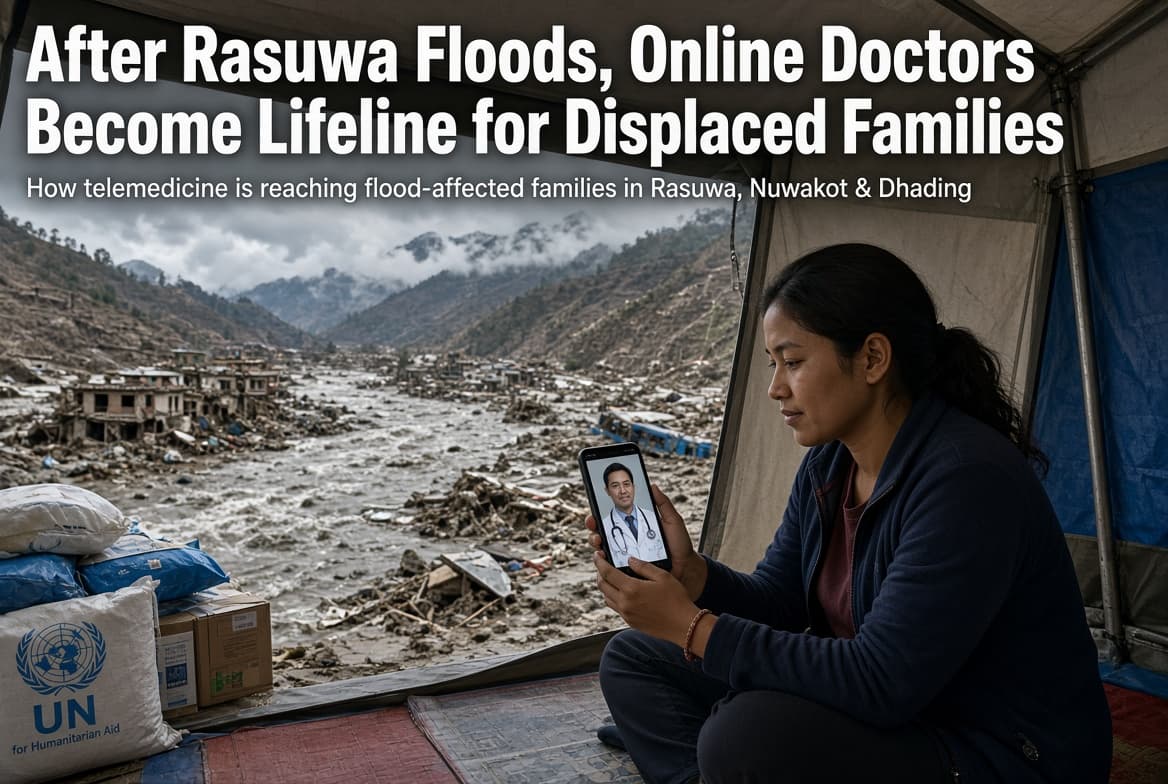
When the torrential rains deluged Rasuwa, Nuwakot, and Dhading districts in August 2026, the devastating floods not only ravaged the region but also the healthcare system that provided medical services to thousands of Nepalese citizens. Health posts were destroyed, and hospitals isolated, leaving behind a trail of damaged healthcare infrastructure.The online doctors have become a reliable source of medical aid to the displaced families who cannot physically reach the distant clinics. Here is how digital healthcare has emerged as a vital lifeline for the flood-affected communities.
The Health Crisis Triggered by Floods
Impacted Healthcare Infrastructure
The torrential rains in 2026 triggered disasters that impacted at least six health facilities and rendered two others inaccessible. In Rasuwa, for example, four health posts and three hospitals were completely damaged, while others were partially damaged or cut off from the community.
Many families are currently unable to seek medical services from the nearest health post or hospital due to inaccessible roads and bridges. The situation is particularly dire for pregnant women, diabetic patients, and other vulnerable groups. According to the World Health Organization, Trishuli hospital became the only reliable healthcare facility for obstetric complications in the region, which means that patients need to travel long distances to access medical services, straining the resources of the hospital.
Disruption of Routine Healthcare Services
The flooding disaster not only caused disruptions to emergency healthcare services but also interrupted the continuum of routine healthcare services. The services that were interrupted include:
- Chronic disease management services such as diabetic screening, dialysis, and hypertension treatment programs.
- Maternal healthcare services such as ante-natal care and institutional delivery.
- Childhood immunization services which put the children at risk of preventable diseases.
- Mental health services which are critical for the traumatized families.
Health workers also reported that the essential maternal and child health services in the affected districts were severely disrupted, impacting hundreds of mothers and newborns. The inability to access healthcare services puts the families at greater risk, especially mothers and children.
The Risk of Infectious Diseases
Over 3600 people are currently staying in 37 emergency holding centers in the three districts as of September 2026. Although there have been no reports of outbreaks of serious infectious diseases such as cholera and typhoid, the health workers observed that the congregate centers had a higher risk of experiencing an outbreak. The conditions in the holding centers favored the spread of diseases such as common cold, cough, viral fever, and diarrhea. As a result, the health workers are on high alert to detect and respond to any health emergency promptly.
The concern arises because the congregate sites do not have the required disease surveillance system and infection control measures, increasing the likelihood of disease transmission among the vulnerable families. The disease burden in the holding centers will further put the patients with pre-existing medical conditions at greater risk, especially if the infection control measures are inadequate.
Common Challenges Facing Flood Survivors
The Inaccessibility of Health Posts and Hospitals
The torrential downpours caused serious damage to roads and bridges, making it difficult for people to reach health posts and hospitals. According to the health report, the challenge of inaccessible routes hindered the collection of essential water and sanitation data by the health workers.
The disruption of road networks hindered the movement of patients seeking medical services after the flood. For families living in inaccessible villages, the nearest health post or hospital might have been the one that was washed away by the floods. The inaccessibility of health posts and hospitals has become a significant impediment to accessing healthcare services.
Congestion in Emergency Holding Centers
Despite the large number of people temporarily staying in the emergency holding centers, the facilities remain ill-prepared to cater to the inhabitants’ needs. The congregate centers recorded a high influx of families, which increased the risks of communicable diseases. The health workers noted that although there were no reports of epidemics, several people in the holding centers had illnesses ranging from a common cold, cough, viral fever, and diarrhea. Since the emergency units have limited resources, they could not adequately address the residents’ health needs.
The inability to provide essential healthcare services in the congregate settings could become a greater challenge, especially for patients with pre-existing medical conditions such as asthma and hypertension. In addition, the lack of privacy in the emergency units might affect the traumatized family members.
Impact on Vulnerable Groups
The flood disaster has caused a lot of damage to vital social service infrastructures, including the hospitals and health posts. As a result, some vulnerable groups have suffered from the disaster’s indirect impacts. For instance, pregnant women are currently at significant risk because of reduced access to healthcare services.
According to WHO, the Trishuli hospital is the only competent health facility to provide emergency obstetric care in the region. Therefore, the pregnant women have to undertake strenuous journeys to access the hospital, which adds to the physical stress of pregnancy and increases the likelihood of complications during childbirth. Additionally, the UNICEF report indicated that the flood disaster put children’s lives at risk by destroying medical facilities, impacting their access to healthcare services. Moreover, the children had limited access to immunization services, putting them at greater risk of preventable diseases.
Similarly, the elderly and disabled people could not access the healthcare services due to the inaccessible roads and the lack of proper transportation. The disruption to the routine healthcare services created an adverse impact on the patients with pre-existing medical conditions such as chronic diseases. For example, people living with HIV/AIDS and AIDS patients who rely on dialysis or receive regular medication could not get the care they needed from the health posts and hospitals.
How Digital Healthcare can Help
Telemedicine as an Alternative to Inaccessible Clinics
Physical health facilities play a critical role in delivering healthcare services to the community. However, the flood disaster of 2026 has created an impediment to accessing healthcare services due to the destruction of roads and bridges. Telemedicine, also known as digital healthcare services, is a reliable alternative to the inaccessible clinics because it facilitates online consultations between patients and doctors.
Here is how telemedicine helps in providing healthcare services in the wake of the flood disaster:
Eliminating the Need for In-Person Consultation
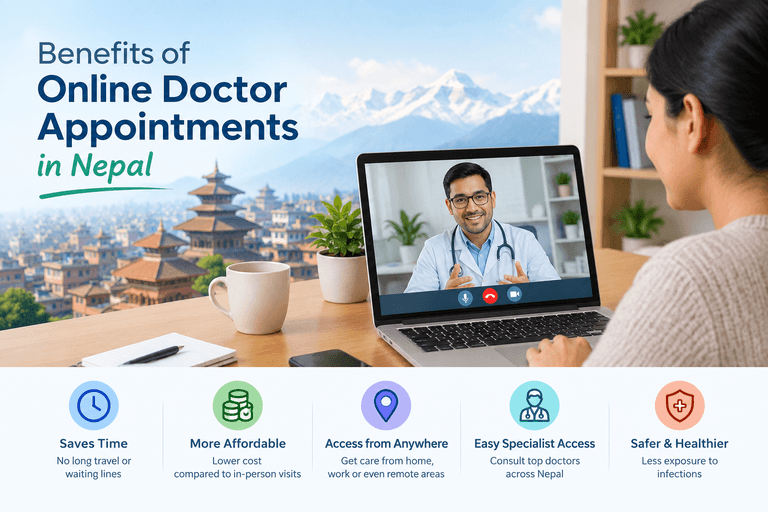
Telemedicine has several advantages, including removing the need for in-person consultation. For families living in the emergency holding centers, online doctors can provide medical services directly in the congregate setting without patients having to go to clinics. Individuals in the remote areas can also access healthcare services through telemedicine as long as they have internet connectivity. Doctors can also use telemedicine to provide clinical support to their colleagues in the disaster-affected communities.
Saving Time in Consulting Doctors
The consultation via video or online can be completed faster compared to in-person consultations. Telemedicine is particularly helpful for patients with chronic diseases who require regular check-ups. In addition, the online consultation prevents overcrowding in the health facilities due to the reduced number of in-person appointments. Thus, telemedicine is an essential component of post-disaster healthcare services.
WHO recognized the significance of telemedicine by including it in the organization’s emergency response to the flood disaster. The organization has set up a digital health task force to manage disease control and ensure that essential health services, including teleconsultation, continue during the disaster.
The Role Played by Online Doctors
Many people are skeptical about the effectiveness of telemedicine because doctors cannot examine patients physically. However, the online consultation has become imperative in areas where medical facilities are inaccessible or overwhelmed with patients. Doctors can provide various medical services through telemedicine, including:
- Assessing the patients’ health status and examining the symptoms.
- Issuing electronic prescriptions to the patients.
- Giving the patients’ recommendations and instructions.
- Providing clinical support to medical professionals.
- Offering health education and information.
It is important to recognize the limitations of telemedicine, including the inability to perform a physical examination, diagnose, and treat emergency cases. Doctors can utilize telemedicine to offer primary healthcare services such as disease screening, assessment of common symptoms, and prescription of drugs. Telemedicine can also be useful in following up with patients after consultation.
Telemedicine has been used in the past to provide medical services in remote areas during disasters. For instance, telemedicine was helpful in providing healthcare services in Nepal after the 2015 earthquake. Similarly, the COVID-19 pandemic is currently a global health emergency where online consultation has been used to offer essential healthcare services. At the moment, telemedicine has been deployed alongside the emergency response teams to provide healthcare services to the flood survivors.
Upachar Sewa: A Reliable Online Healthcare Service for Affected Communities
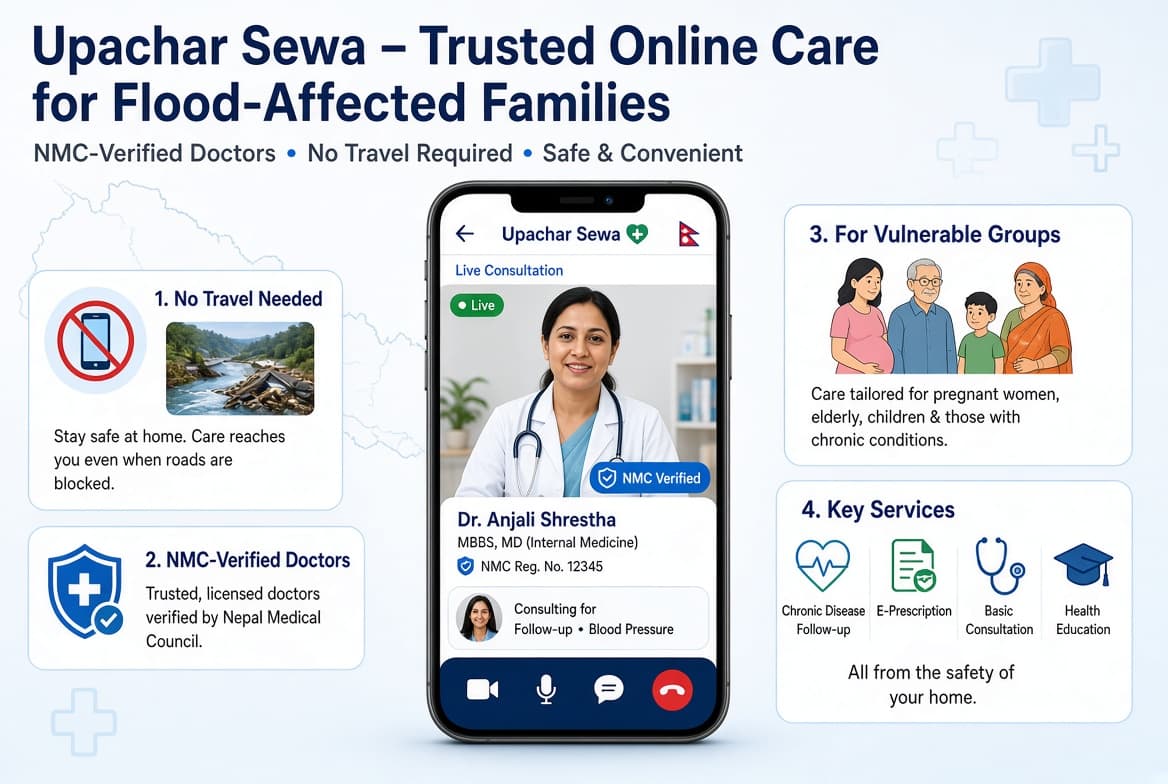
Introduction to Upachar Sewa
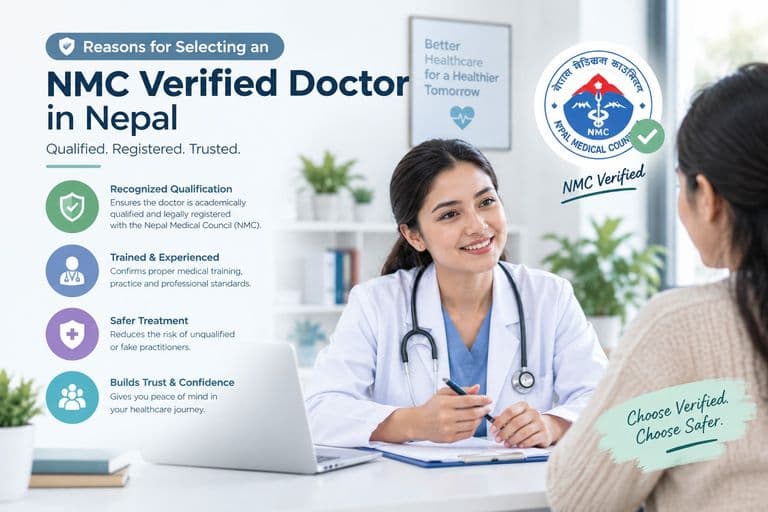
Upachar Sewa is an online healthcare service that allows patients to consult with NMC-verified doctors. NMC is an abbreviation for the Nepal Medical Council, which is the regulatory body for doctors in Nepal. Therefore, NMC-verified doctors are medical professionals whose qualifications and licenses have been authenticated by the Nepal Medical Council.
The healthcare platform boasts of connecting patients with reputable medical professionals who can provide virtual healthcare services. Upachar Sewa has several benefits for the flood survivors in Rasuwa, Dhading, and Nuwakot. Here is how the online consultation can be helpful to the flood-affected families:
Avoiding Physical Travel to Health Posts and Clinics
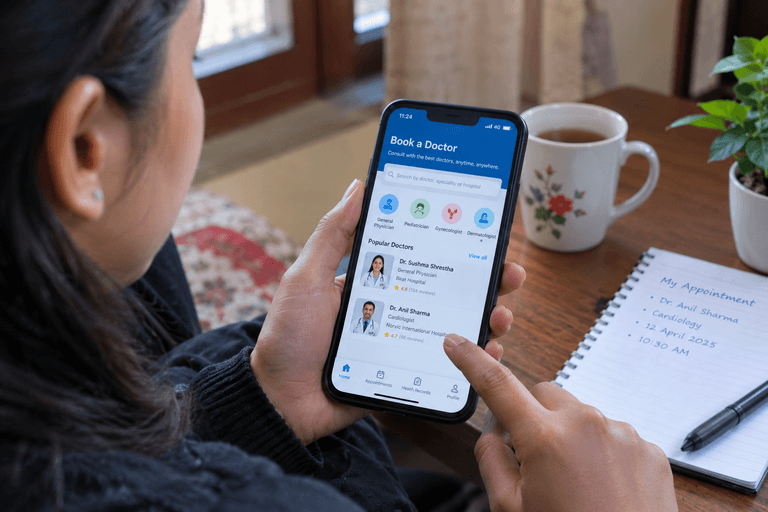
The most significant advantage of using Upachar Sewa is the elimination of the need to travel to the health post or clinic to consult with a medical professional. Patients simply need to download the app on their smartphones and tablets and start using the service. The healthcare service is convenient for the flood survivors because it eliminates the need to use the damaged and inaccessible roads.
The virtual consultation is particularly helpful for the following vulnerable groups:
- Pregnant women who need regular antenatal care to ensure a healthy delivery.
- The elderly and disabled patients who find it challenging to travel to the healthcare facilities.
- Parents and caregivers who need to consult a doctor about their ill children.
- Patients with chronic diseases such as diabetes and hypertension who need regular check-ups.
Access to Verified Doctors
During a disaster, some fraudulent individuals can take advantage of the vulnerable families by giving them incorrect medical advice. Patients are, therefore, advised to use reliable healthcare platforms such as Upachar Sewa to consult with NMC-verified doctors. Here is why it is essential to use online healthcare services with verified medical professionals:
- The doctors have the required medical expertise to offer virtual healthcare services.
- The consultation with the doctors is legal and legitimate since they are certified medical professionals.
- The patient receives credible health information from the authentic doctors.
- The doctors are accountable for their medical advice and actions.
- Essential Health Services Offered by the Online Doctors
The online doctors can offer a wide range of healthcare services to the flood survivors. The virtual consultation is particularly helpful for the following health needs:
Follow-up Appointments for Chronic Diseases and Health Conditions
The follow-up appointments are particularly crucial for patients with chronic diseases such as diabetes, hypertension, and asthma. Upachar Sewa doctors can provide the necessary medical advice for long-term medical conditions.
Prescription Refills
The virtual consultation can also be helpful in providing prescription refills for chronic diseases and other health conditions. Doctors can provide electronic prescriptions that patients can use to get the medication from pharmacies.
Basic Consultations and Screening
The online doctors can also offer consultation for sicknesses such as colds, coughs, and stomachaches. The doctors may also conduct screening tests to determine the cause of the illness and recommend the most suitable treatment.
Health Education
The patient can ask the doctor for health-related information such as the causes of diseases and general health advice.
How the Service Works
Here is how the Upachar Sewa works for patients in the emergency holding centers, congregate sites, and flooded villages:
A patient is sick and needs to consult a doctor.
Instead of traveling to the nearest health post or clinic, the patient can download the Upachar Sewa app on your smartphone or tablet and follow the instructions to start using the service.
- The patient can then choose the most appropriate doctor, considering their medical needs.
- The patient can schedule an online video consultation or chat service with the chosen physician.
- The doctor will ask specific questions and conduct an examination to determine the cause of the illness.
Based on the doctor’s recommendations, the patient can obtain the medication, especially if the illness is treatable. The patient can also get advice on how to manage the sickness if the doctor determines that the medication is not necessary.
The whole process only takes a few minutes to complete, thus eliminating the need to travel to the health facilities. The online consultation is particularly helpful to the flood survivors because most health posts and clinics are inaccessible due to the damaged infrastructure.
The Special Support for Vulnerable Groups
The online doctors can provide specialized consultation to the vulnerable groups affected by the flood disaster. The medical professionals can offer the following special services:
Antenatal Care Consultation
The consultation can help provide antenatal care advice to the pregnant women living in the emergency holding centers, congregate sites, and flooded villages.
Pediatrician Consultation
The pediatrician consultation is particularly crucial for the children affected by the disaster. The doctors can provide the necessary treatment and management options for the sick children.
Health Consultation for Chronic Diseases
The doctors can also give health advice for the patients with chronic diseases such as hypertension and diabetes.
Mental Health Counseling
The virtual consultation can also be helpful in providing mental health support to the flood survivors.
Lessons Learned from the Flood Disaster
The 2026 flood disaster is a wake-up call for improving healthcare services in Nepal. The following insights can be used to enhance healthcare services in the wake of the disaster:
- Healthcare facilities are vulnerable to natural disasters
The flood disaster of 2026 demonstrated that health posts and hospitals are generally vulnerable to disasters. The damage to the health facilities resulted in the interruption of essential healthcare services, hindering the response to the flood disaster. In addition to physical health needs, the families also suffered from the disruptions to mental health services.
- Essential Healthcare Services such as Follow-up Appointments Should not be Overlooked
Health workers and policymakers should ensure that essential healthcare services such as the follow-up appointments are prioritized during a disaster. The flood survivors may have a wide range of physical and mental health needs following the disaster. Therefore, it is crucial to keep the routine health services running while responding to the emergency.
Healthcare professionals should encourage the use of telemedicine to provide essential health services such as chronic disease management, mental health support, and maternal healthcare services. Telemedicine is a particularly vital tool in sustaining healthcare services in the wake of the flood disaster. The virtual consultation has been used successfully in Nepal and other countries to provide healthcare services in the wake of the disaster.
- The Need for Verified Doctors to Provide Virtual Healthcare Services
The flood survivors should be wary of dishonest individuals who may give them incorrect medical advice. Patients should only use online healthcare services with verified doctors to ensure that they are receiving treatment from qualified medical professionals.
Summary
The 2026 flood disaster in Rasuwa, Nuwakot, and Dhading has caused significant damage to the region’s health posts and hospitals. The destruction of the healthcare infrastructure created a tremendous challenge in providing healthcare services to the flood survivors.
Telemedicine has become a lifeline to many families who cannot physically reach the health facilities. The virtual consultation allows doctors to provide a wide range of healthcare services, including antenatal care, treatment for sick children, and chronic disease management.
Patients only need to download the healthcare app on their smartphones and tablets to start using the innovative technology. The doctors offering online consultation have been verified by the Nepal Medical Council, ensuring that the medical professionals possess the appropriate skills and expertise.